What Is a Cauda Equina Syndrome (CES) ?
Cauda equina syndrome (CES) is a rare but serious condition caused by pressure on the nerves at the bottom of the spinal cord. It requires urgent investigation and treatment. Missing this diagnosis can lead to permanent nerve damage.
What Causes CES?
CES occurs when the nerves in the lower spine are compressed. Causes include:
Slipped (herniated) discs – the most common cause
Tumours pressing on the nerves, either from the spinal cord or from cancers elsewhere in the body
Blood cancers such as lymphoma (rarely)
Trauma, infection, or blood clots (sometimes following surgery or procedures)
What Are The Symptoms
CES can present in many ways. Common symptoms include:
Lower back pain
Numbness, pins and needles, or weakness in the legs or buttocks
Problems with bladder or bowel control, such as inability to pass urine or faecal incontinence
Sexual dysfunction
Not everyone with back pain has CES, but any of the red-flag symptoms require urgent medical review.
Red-flag Signs
Doctors look for:
Saddle anaesthesia (numbness around the buttocks, inner thighs, and genital area)
Loss of anal tone
Urinary retention or incontinence
Faecal incontinence
Severe leg weakness
Severe low back pain
How Is CES Diagnosed?
A clinical examination is performed to assess the nerves controlling the legs, bladder, and bowel.
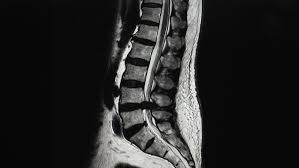
Because clinical signs alone may not be enough, an MRI scan is the most effective test. It shows the spinal cord and nerve roots clearly and helps identify the cause of compression.
How Is CES Treated?
If symptoms develop rapidly early neurosurgical intervention is often needed. How urgently the surgery needs to be carried out is determined on an individual basis but in general this should be performed as relatively quickly.
The surgical options include:
Laminectomy: An operation on the spine to remove some of the bone and ligament that surround the spinal cord, in order to free up space around the nerves.
Microdiscectomy: An operation where a smaller portion of bone and ligament is removed and the surgeon will gently move the nerves out of the way to find a slipped disc and try to remove as much of the disc as is possible.
These are some of the most common operations that we perform in the Leeds Neurosurgery department.
What Is The Outlook?
Prognosis following cauda equina syndrome is difficult to predict as each case is different. If the above symptoms are causing you problems you ought to seek advice from your doctor as early recognition and intervention are crucial in some cases to reduce the risk of long-term complications.
What is the outlook?
The prognosis varies for each patient. Early recognition and treatment are key to reducing the risk of long-term complications, such as persistent leg weakness, numbness, or bladder and bowel problems.
If you experience symptoms like loss of bladder or bowel control, saddle numbness, or severe leg weakness, seek urgent medical advice immediately.
An extradural haematoma is a collection of blood that forms between the skull and the outer covering of the brain, called the dura. This space normally does not exist, but bleeding after a head injury can cause it to open and fill with blood.